


Why Post-Filler Care Goes Beyond Ice Packs
Lip fillers have become one of the most popular aesthetic procedures worldwide. Brands like Juvederm, Restylane, and Belotero are used by millions of people every year. The procedure itself takes minutes, recovery is quick, and results are visible immediately.
But here's what most people don't realize: What happens after you leave the clinic matters just as much as what happens on the treatment table. The standard aftercare advice — apply cold compress, avoid makeup for 24 hours, don't eat hard foods — covers the basics. But it misses something fundamental.
Your body's internal hydration, mineral balance, and collagen infrastructure all play a role in how your filler looks, feels, and lasts. This guide covers the science behind post-filler hydration and nutrition — a topic that's surprisingly underexplored despite being critical to filler outcomes.
How Hyaluronic Acid Fillers Actually Work
The vast majority of dermal fillers used today — whether for lips, cheeks, jawline, or under-eye areas — are based on hyaluronic acid (HA). Hyaluronic acid is a naturally occurring substance in your body, found in high concentrations in your skin, joints, and eyes.
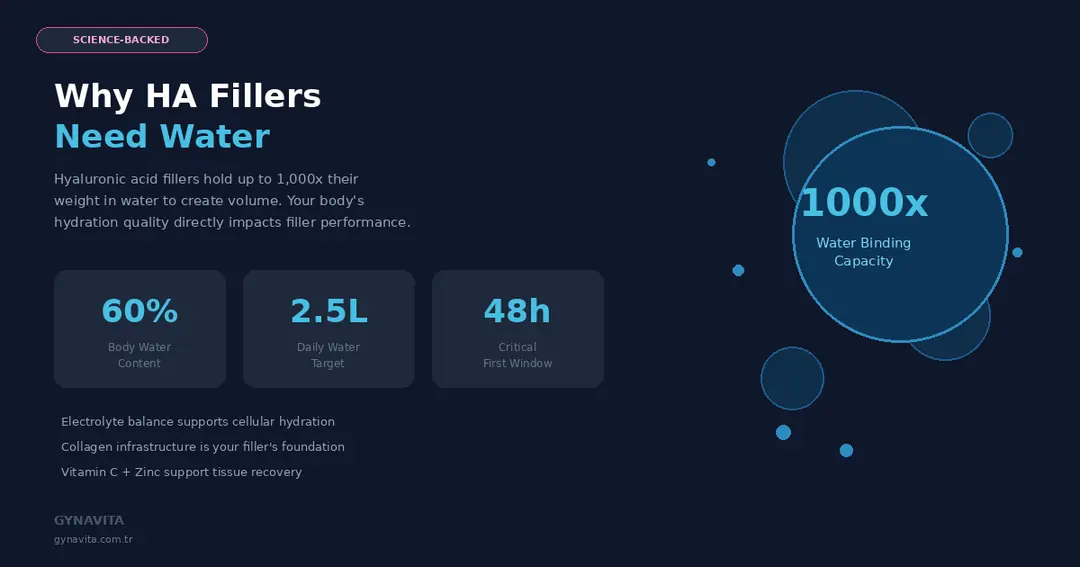
What makes HA remarkable is its water-binding capacity. A single gram of hyaluronic acid can hold up to 1,000 times its weight in water. This is exactly how fillers create volume: Once injected, the HA draws water from surrounding tissues and holds it, creating the plump, hydrated appearance you see in your lips.
This leads to an important conclusion that many people overlook: For your filler to perform optimally, your body needs to be properly hydrated. A dehydrated body provides less water for the HA to bind with, which can affect the filler's appearance and longevity.
Why Drinking Water Alone Isn't Enough
The most common aftercare advice is "drink plenty of water." While this is correct, it's incomplete. Effective hydration is not just about the amount of water you consume — it's about how efficiently your body uses that water at a cellular level.
The Electrolyte Factor
Water reaches your cells through electrolyte minerals. Sodium is the primary cation in extracellular fluid, while potassium dominates intracellular fluid. The balance between these two minerals — known as the sodium-potassium pump — determines how effectively water enters and is utilized by your cells.
When electrolyte balance is disrupted, you can drink liters of water and most of it will pass through your body without reaching your cells effectively. This applies to the tissues around your filler site as well. For the hyaluronic acid in your filler to bind water optimally, the surrounding tissue needs to be properly hydrated at a cellular level — and that requires electrolyte balance.
Gut Health and Mineral Absorption
Another often-overlooked dimension of hydration is gut health. The absorption of minerals and nutrients depends largely on the health of your intestinal flora. A healthy gut microbiome enhances mineral absorption, which in turn supports your body's overall hydration quality.
Prebiotic fibers — particularly inulin and fructooligosaccharides (FOS) from sources like chicory root — feed the beneficial bacteria in your gut. As these bacteria thrive, your mineral absorption improves, and your body's hydration efficiency increases. Think of it as upgrading your body's internal plumbing system.
Zinc and Tissue Recovery
Zinc is an essential mineral involved in over 300 enzymatic reactions in your body. It plays a critical role in tissue repair, wound healing, and immune function. While lip filler is a minimally invasive procedure, it does create micro-trauma in the tissue. Your body's recovery process after any injection requires adequate zinc levels.
International aesthetic medicine protocols are increasingly recommending vitamin C and zinc supplementation as part of post-filler aftercare. This approach is well-established in wound healing science and is now being applied to aesthetic recovery.
Scientific Note:Multiple international aesthetic medicine sources now recommend hydration support, vitamin C (for collagen synthesis), zinc (for tissue repair), and arnica (for swelling reduction) as beneficial supplements in post-filler aftercare. This evidence-based approach goes beyond traditional aftercare advice and addresses the biological mechanisms that influence filler outcomes.
Collagen Supplementation After Fillers: Supporting Your Skin From Within
The Collagen-Filler Connection
Collagen is the most abundant protein in your skin, making up approximately 75-80% of its dry weight. It forms the structural scaffold that gives skin its firmness, elasticity, and resilience. About 80% of skin collagen is Type I (providing tensile strength) and 15% is Type III (providing elasticity).
Starting around age 25, your body's collagen production decreases by approximately 1% per year. By age 40, you've lost about 25% of your collagen. By 60, that loss reaches nearly 50%. This progressive collagen decline — resulting in thinner skin, reduced elasticity, wrinkles, and volume loss — is one of the primary reasons people seek aesthetic treatments in the first place.
Here's where it gets relevant for filler patients: Dermal fillers address the surface appearance, but the collagen infrastructure underneath significantly influences how fillers settle and how natural they look. A strong collagen foundation provides a better scaffold for filler to sit on, similar to how quality furniture looks better in a well-constructed house.
How Hydrolyzed Collagen Peptides Work
Oral hydrolyzed collagen supplementation has become one of the most researched topics in skin health science. Hydrolyzed collagen consists of large collagen molecules that have been enzymatically broken down into small peptides. These peptides are easily absorbed through the intestinal wall and enter the bloodstream.
Once in circulation, collagen peptides stimulate fibroblast cells in the skin to produce new collagen and elastin. They also may indirectly support hyaluronic acid production. This mechanism means that oral collagen supplementation can support your skin's own structural repair processes — which is particularly relevant during the post-filler recovery period.
Vitamin C: The Essential Collagen Co-Factor
Your body cannot synthesize collagen without vitamin C. This is a fundamental rule of biochemistry. Vitamin C serves as a co-factor for the enzymes prolyl hydroxylase and lysyl hydroxylase, both of which are essential for collagen synthesis. Without adequate vitamin C, even the best collagen supplement cannot be fully utilized by your body.
Additionally, vitamin C is a powerful antioxidant that protects cells from oxidative stress — a process that accelerates during tissue recovery. For filler patients, maintaining adequate vitamin C intake supports both new collagen production and cellular protection during healing.
Oral Hyaluronic Acid Supplementation
Oral hyaluronic acid supplementation represents an interesting dual approach for filler patients. Your filler provides HA externally through injection, while oral HA supports your skin's natural moisture levels from within. Clinical studies have demonstrated that oral HA can improve skin hydration — making it a logical complementary support for patients who already have HA-based fillers.
Pre- and Post-Filler Collagen Timeline
4 weeks before your filler appointment: Begin collagen supplementation to start strengthening your skin's infrastructure. This gives collagen peptides time to accumulate in your body and begin stimulating fibroblast activity. Many patients report that their skin feels firmer and more hydrated by the time they arrive for their filler appointment.
Immediately after filler: Continue your collagen supplementation. The vitamin C and zinc in your formula support your body's natural healing processes during the critical first week.
Long-term: Continue collagen supplementation for at least 3-6 months. Since collagen loss is ongoing — every year after 25 — consistent supplementation supports your skin's baseline quality, potentially extending the time between filler appointments and providing a healthier canvas for future treatments.
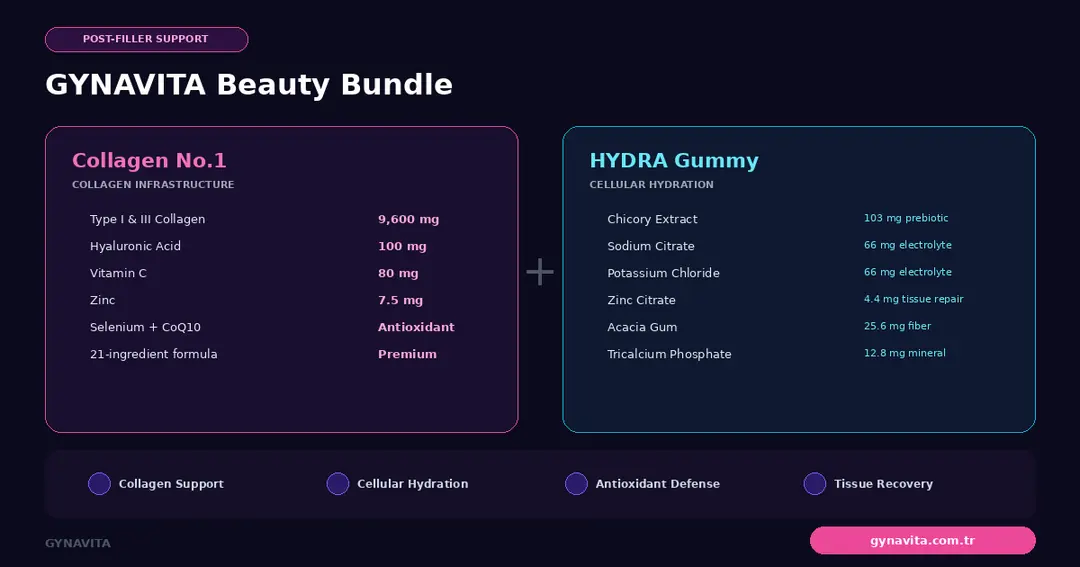
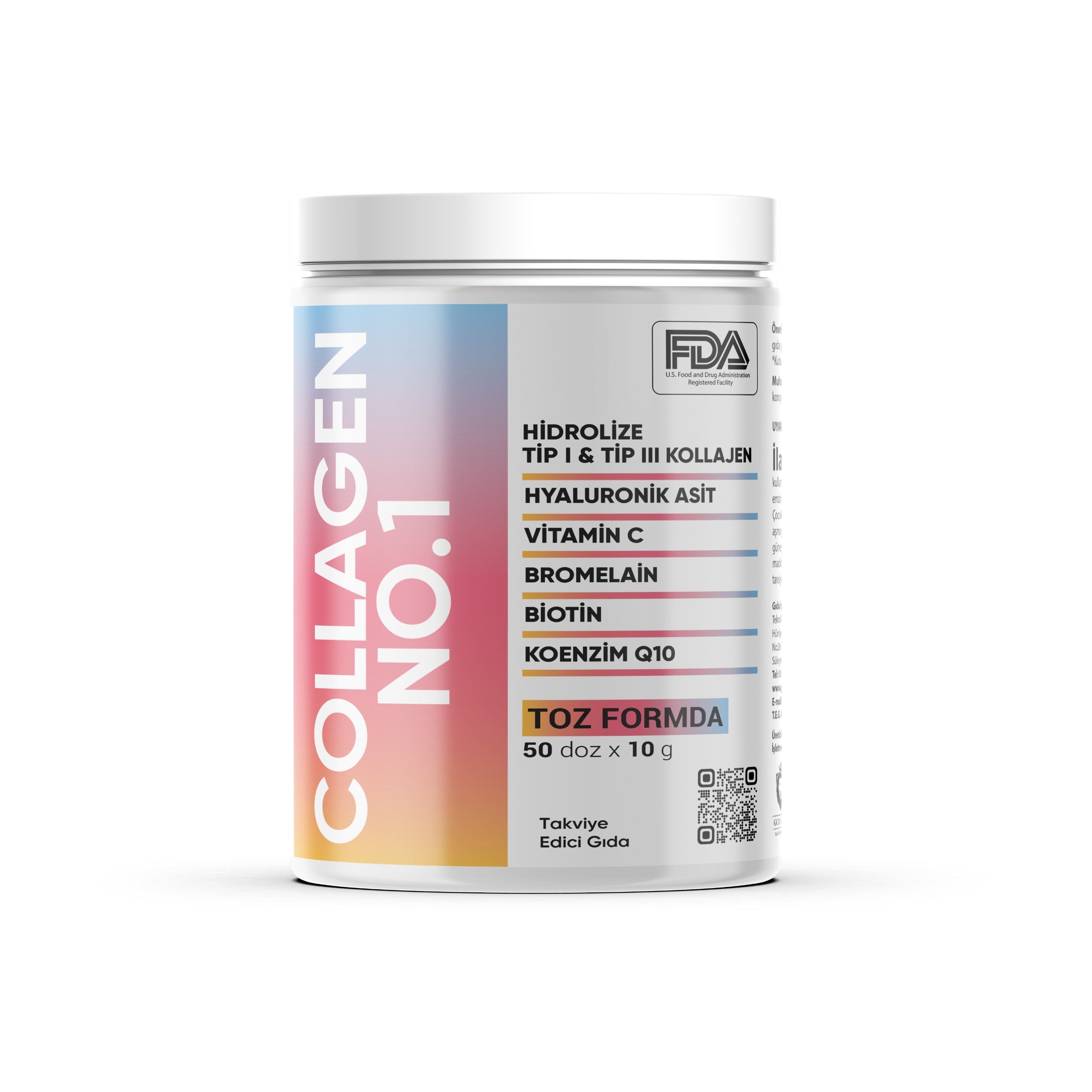
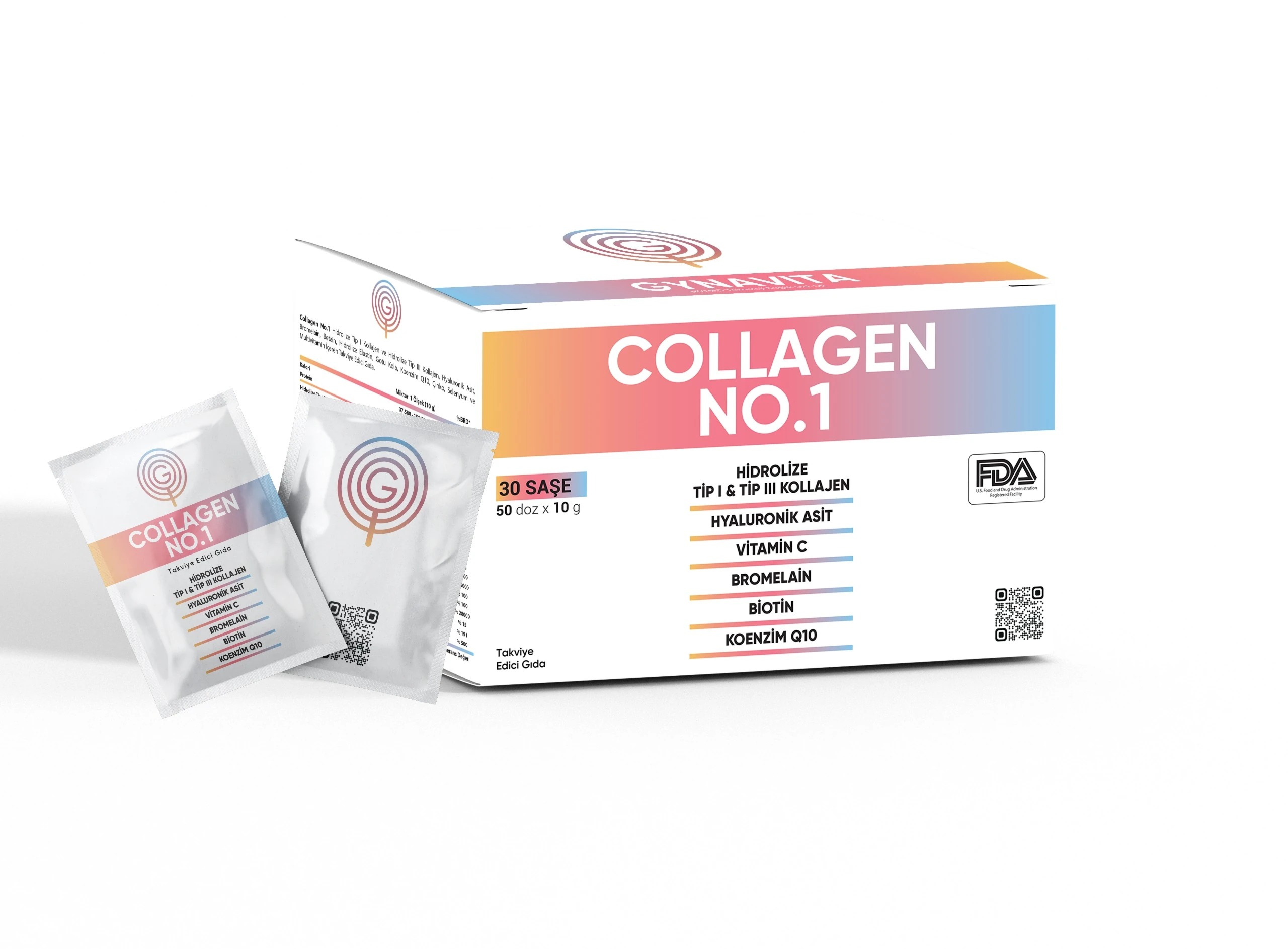
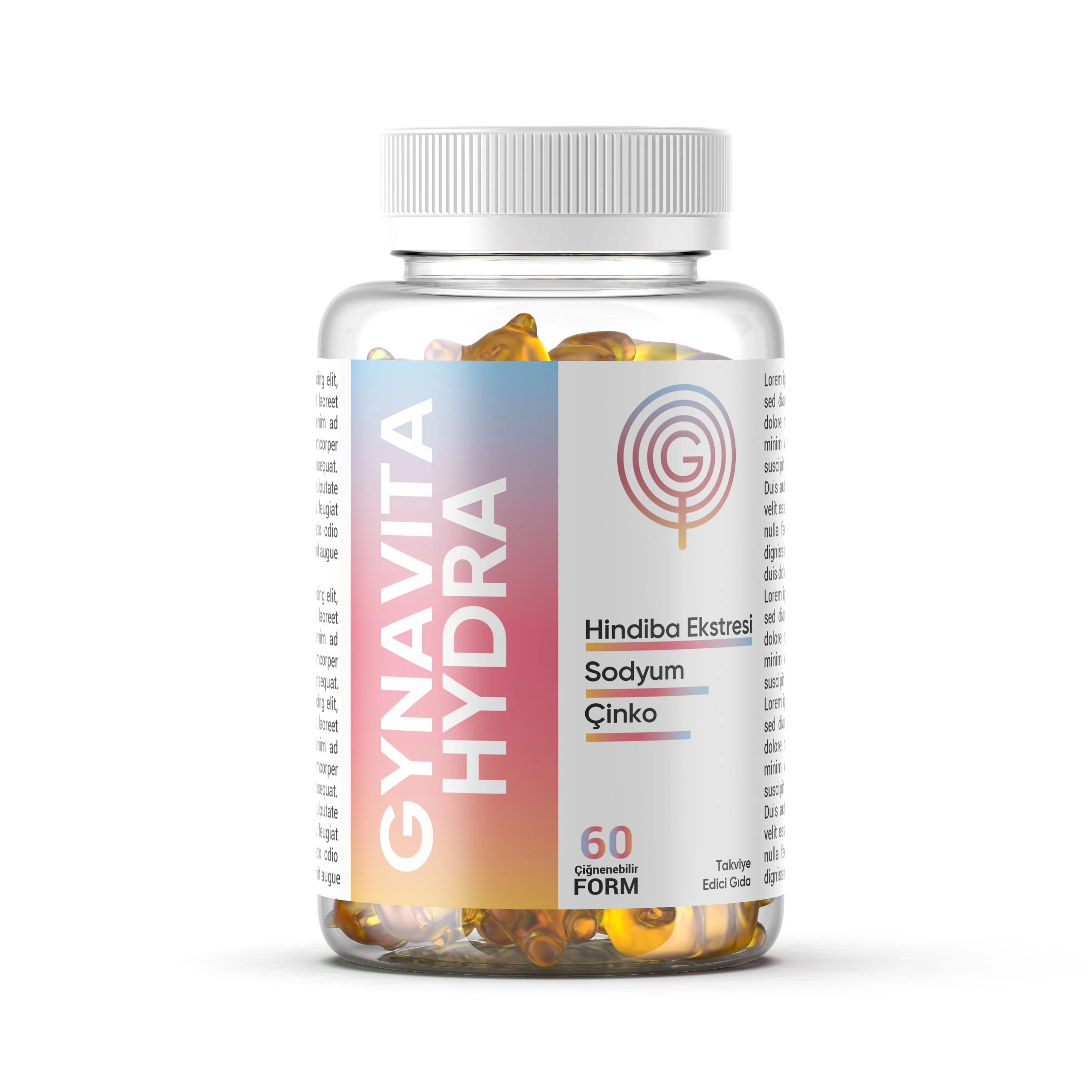
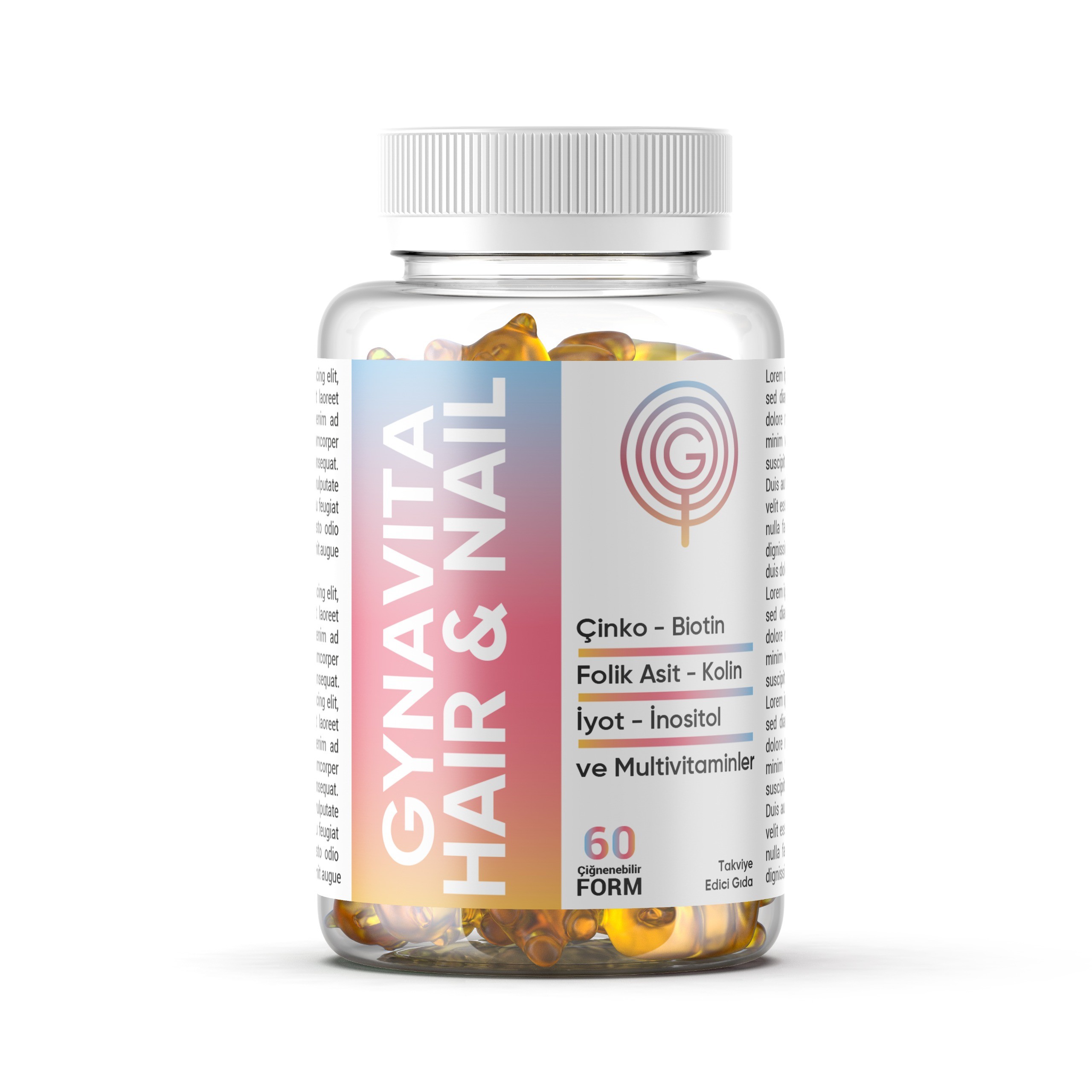
GYNAVITA Beauty Bundle Recommendation:Collagen No.1 — Type I & III hydrolyzed collagen (9,600 mg), hyaluronic acid (100 mg), vitamin C (80 mg), zinc (7.5 mg), selenium, CoQ10, and 15 additional active ingredients. A comprehensive 21-ingredient formula supporting skin's collagen infrastructure, moisture levels, and antioxidant defense.HYDRA Gummy — Electrolyte minerals (sodium, potassium, calcium), prebiotic fiber (chicory extract 103 mg, acacia gum), and zinc for cellular hydration quality and mineral balance support.Together, this combination providesinside-out supportfor your post-filler recovery and ongoing skin health.
Post-Filler Aftercare Protocol
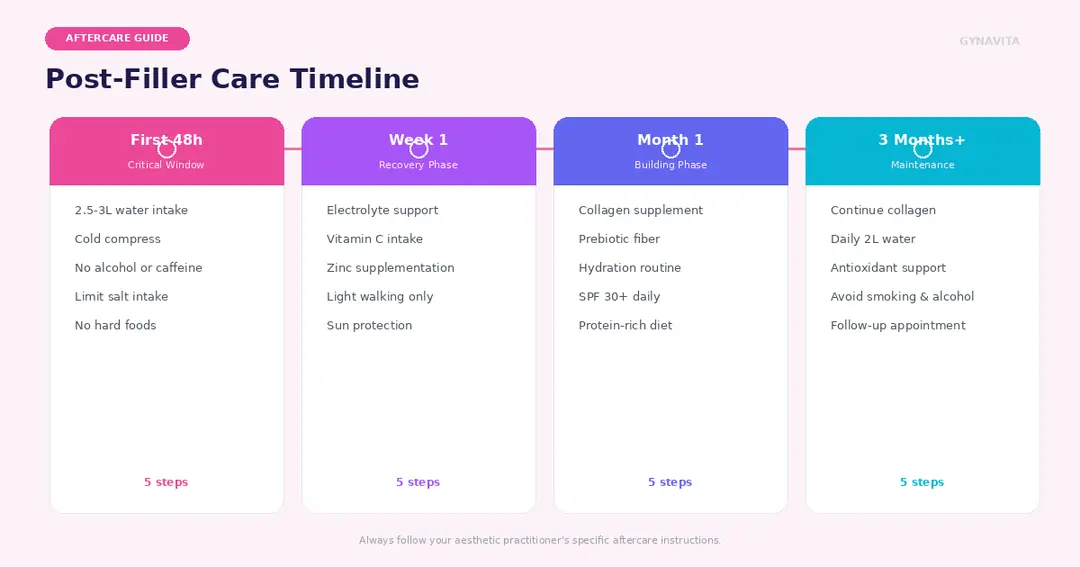
First 48 Hours — The Critical Window
Hydration: Aim for at least 2.5 to 3 liters of water daily. Drink room temperature water — very cold or hot beverages aren't ideal for fresh filler sites. Adding a lemon slice provides a small vitamin C bonus.
Nutrition: Limit salt intake — excessive sodium causes uneven fluid retention and can worsen swelling. Eat protein-rich foods (eggs, fish, chicken, legumes) as protein is the raw material for collagen synthesis. Consume vitamin C-rich foods (oranges, kiwi, broccoli, bell peppers).
Avoid: Alcohol — absolutely none. Alcohol causes dehydration and increases bruising risk. Minimize caffeine intake. Avoid smoking — it accelerates collagen breakdown and slows healing. Skip intense exercise, saunas, hot baths, and anything that raises blood pressure.
First Week — Recovery Phase
Electrolyte support: Choose mineral-rich water or consider an electrolyte supplement. Your sodium-potassium balance directly affects cellular hydration quality.
Nutrition focus: Continue protein-rich eating. Prioritize vitamin C sources. Add zinc-rich foods (pumpkin seeds, red meat, chickpeas, lentils) to support tissue recovery.
Sun protection: Apply SPF 30 minimum daily. UV radiation breaks down collagen and can cause pigmentation changes in the filler area.
Physical activity: Light walking is fine from day 3. Avoid heavy exercise, running, and weight training for the full week. Skip the sauna for at least 2 weeks.
First Month — Strengthening Phase
Collagen supplementation: If you didn't start before your filler, begin now. Take 5-10 grams of hydrolyzed collagen daily, combined with vitamin C. Commit to at least 3 months of consistent use.
Prebiotic fiber: Include prebiotic-rich foods in your diet — artichokes, leeks, garlic, onions, bananas. These feed beneficial gut bacteria and enhance mineral absorption.
Hydration routine: Establish a daily routine of at least 2 liters of water. This isn't just for your filler — it's foundational for overall skin health.
3 Months and Beyond — Maintenance Phase
Filler results typically last 6-12 months depending on the product, location, and your metabolism. To maximize longevity and maintain beautiful results throughout this period, continue collagen supplementation. Avoid smoking and limit alcohol. Maintain sun protection. Stay consistently hydrated. Keep your follow-up appointments.
Which Supplements Support Post-Filler Recovery?
Collagen peptides: Type I and III — the primary collagen types in skin. Hydrolyzed form for optimal absorption. 5-10 grams daily.
Vitamin C: At least 80 mg daily. Essential co-factor for collagen synthesis. Cannot be replaced.
Hyaluronic acid: Oral HA supports skin's natural moisture from within. Creates a dual-support approach alongside injected HA filler.
Zinc: Supports tissue repair and immune function. Often mildly deficient without people realizing it.
Electrolyte minerals: Sodium, potassium, calcium. Essential for cellular hydration — they make the water you drink actually reach your cells.
Prebiotic fiber: Supports gut health and mineral absorption. Look for inulin and FOS-containing sources.
Avoid these around filler: Stop high-dose vitamin E, omega-3 (fish oil), garlic supplements, ginkgo biloba, and aspirin/ibuprofen at least 2 weeks before and 48 hours after filler. These have blood-thinning properties that increase bruising risk. Use only acetaminophen (paracetamol) for pain management.
Frequently Asked Questions
Does collagen supplementation make fillers last longer?
There is no definitive clinical proof that collagen supplements extend filler longevity. However, a stronger collagen infrastructure provides a better foundation for filler to sit on, and many aesthetic practitioners observe that patients with healthier skin tend to maintain filler results longer. The mechanism is logical — but it should not be presented as a guarantee.
When should I start taking collagen before my filler appointment?
Ideally, 4 weeks before your appointment. This gives collagen peptides enough time to accumulate in your system and begin stimulating fibroblast activity. However, starting at any time is beneficial — late is better than never.
Which collagen type is best for filler patients?
Type I and Type III collagen are the most relevant for skin. Type I provides tensile strength, Type III provides elasticity. Look for hydrolyzed (peptide) form for optimal absorption. Formulas that also include hyaluronic acid, vitamin C, and zinc offer more comprehensive support than collagen alone.
Do I really need electrolyte supplements?
If you eat a balanced diet and drink adequate water, you may get sufficient electrolytes from food. But realistically, many people don't. If you have a busy lifestyle, exercise regularly, or live in a warm climate, electrolyte supplementation can help your body use water more efficiently. Since HA fillers work by binding water, your cellular hydration quality matters.
Does this aftercare apply to Botox too?
Botox works through an entirely different mechanism — it relaxes muscles rather than adding volume through water retention. Hydration isn't directly relevant to Botox the way it is to HA fillers. However, collagen, vitamin C, and zinc support your skin's overall health, so they're beneficial regardless of the treatment type.
How much water should I drink after getting filler?
At least 2.5-3 liters in the first 48 hours, then at least 2 liters daily as an ongoing habit. A practical indicator: your urine should be light yellow. If it's dark yellow, you're not drinking enough.
Can I exercise after lip filler?
Avoid all intense exercise for the first 48 hours. Light walking is fine from day 3. Heavy exercise, running, and weight training should wait until day 7. Avoid saunas and steam rooms for at least 2 weeks.
How does smoking affect filler results?
Smoking accelerates collagen breakdown, restricts blood flow to the skin, and significantly slows healing. Clinical observations consistently show that smokers experience shorter filler longevity. If you can't quit entirely, at minimum avoid smoking for 48 hours before and after your filler appointment.
What foods should I eat after getting filler?
Protein-rich foods (eggs, fish, chicken, legumes) provide the amino acids needed for collagen synthesis. Vitamin C sources (citrus, kiwi, broccoli, bell peppers) are essential for collagen production. Zinc sources (pumpkin seeds, red meat, lentils) support tissue repair. Prebiotic foods (artichokes, leeks, bananas) improve mineral absorption. And always — plenty of water.
Which supplements should I avoid around my filler appointment?
Stop these at least 2 weeks before and 48 hours after filler: high-dose vitamin E, omega-3 fish oil capsules, garlic supplements, ginkgo biloba, green tea extract, aspirin, and ibuprofen. These all have blood-thinning properties that increase bruising risk. Only acetaminophen (paracetamol) is safe for pain management around filler procedures.
Disclaimer:This article is for general health education purposes only. Dietary supplements are not medicines and do not guarantee aesthetic treatment outcomes. Always follow your aesthetic practitioner's specific aftercare instructions. Contact your doctor immediately if you experience any complications after a filler procedure.